第036号 · Issue 036
Praise Is Not a Progress Report
{{first_name | みんな}}さん、こんにちは ☕
Last issue's answers, の or こと, and the question that fired.
1 の(1)· 2 の(1)· 3 の(1)· 4 の(1)· 5 こと(2)· 6 こと(2)· 7 こと(2)· 8 こと(2)· 9 こと(2)· 10 either(3)
Number 7 was the first trap. 富士山を見たことがありますか has 見る sitting in plain sight, but 見る is the inner verb. The outer frame is 〜たことがある, so question two fires and the answer is こと. 👀
Number 8 was the second. You did not hear him resign, you heard about it. Worth knowing: 辞めたと聞いて is what a native would actually say there. こと is correct, と is idiomatic.
Now, about that score you are holding.
You said four words at the register. Maybe five.
The clerk lit up, told you your Japanese was amazing, and you walked out feeling roughly eleven percent taller. 😅
Here is the uncomfortable part. She would have said it for three words. She would have said it for two. The sentence does not scale to you, so it cannot tell you anything about you.
The glow is real. It is just not a measurement.
Know someone who quietly keeps score of these? Send them this. Share this issue →
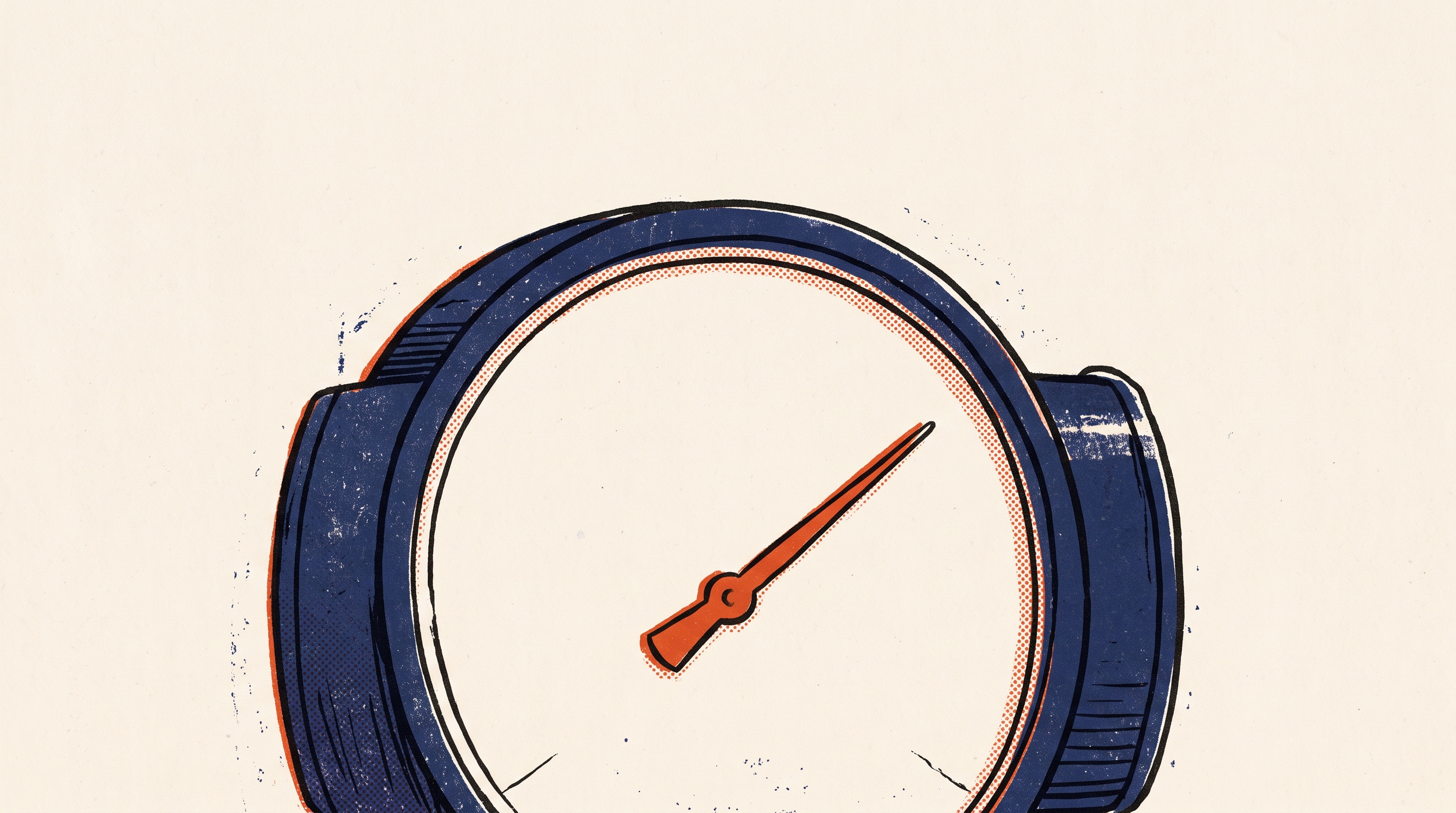
Insincerity is not the problem
The lazy version of this observation is wrong, and a bit ugly.
Japanese research on ほめ, complimenting, describes it as 社会的潤滑油, social lubricant. One of its documented jobs is simply opening a conversation. 💡
A phrase doing that job is not doing the job of measuring you. It was never assigned that task. Reading your level out of it is like reading the weather out of a handshake.
一 言 | ☝️ Chotto ちょっと A Japanese writer on 知恵袋, answering whether foreigners really dislike being told their Japanese is good, landed on our rule before we did: 「どういう風に上手なのか、どんな点が上手なのか、どのくらい上手なのか」を具体的に言うようにして下さい。 Say which part, how, and how much. Praise without specifics is not usable praise. 🎯 |
There is a heavier version of this that is not ours to write about. For people born in Japan, or who have built a life there, 日本語上手 can land as a reminder of where a line has been drawn. That is a question about belonging, and it deserves better than being borrowed as a study metaphor. What follows is the smaller problem, the one inside your own head.
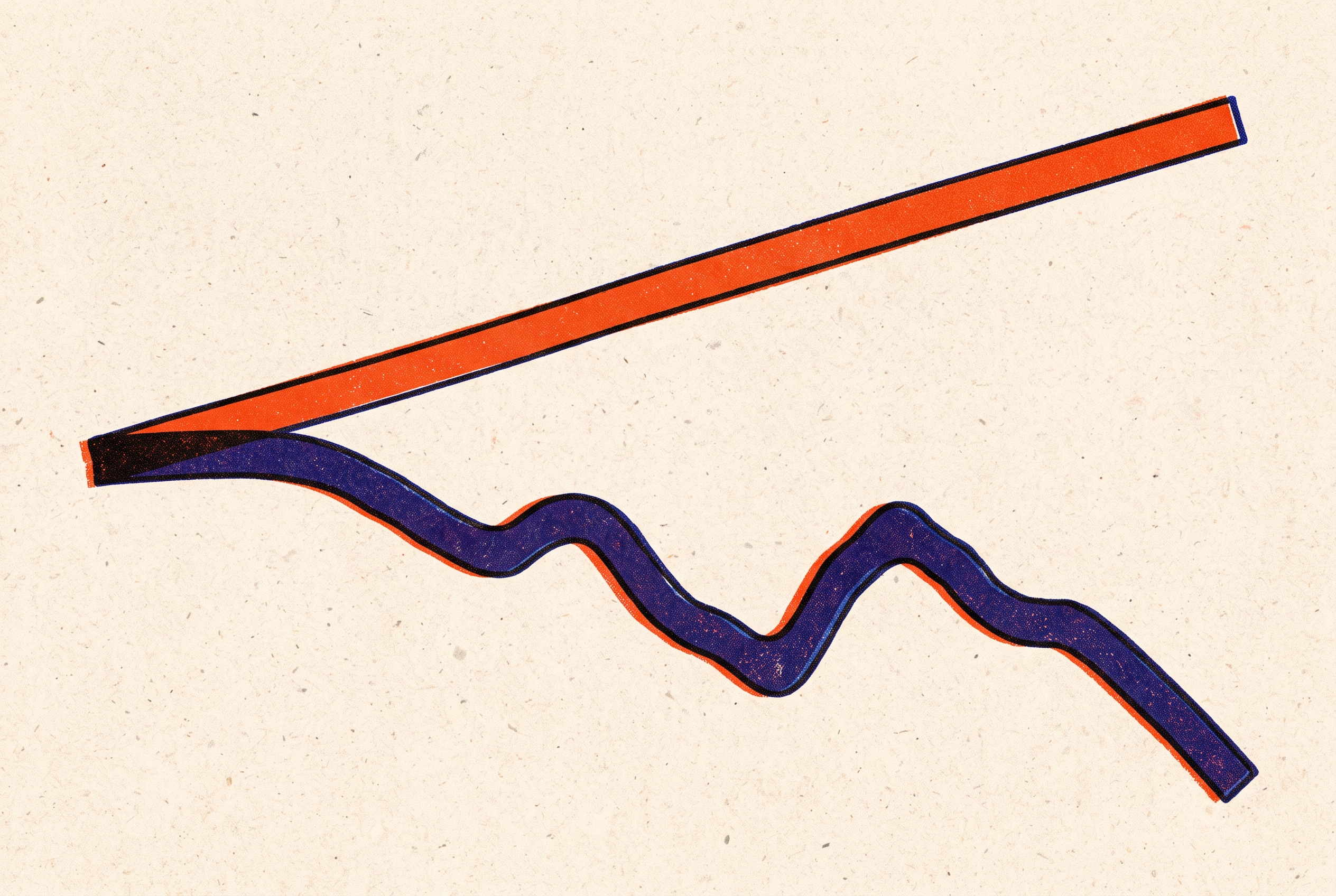
Your own sense of your level is not much better
Here is the part that stings: you cannot blame anyone else for it.
Koriat and Bjork called it foresight bias. While you study, the answer is sitting right there next to the question, and its presence makes the pair look obviously connected. At test time the answer is gone, and the connection goes with it.
The example they borrow is not even Japanese. Shown cheddar, almost everyone produces cheese. Shown cheese, almost nobody produces cheddar. You study the pair together, your confidence comes from the strong direction, and the test asks the weak one. 📚
So you have an external signal that carries no information, and an internal signal that is systematically flattering. That is the whole situation.
危 険 | ⚠️ Abunai 危ない The known fix is a pause before you rate yourself, and it is real but partial. In the follow-up work, delaying the judgment closed most of the gap, but not all of it. The authors' own words are that it "alleviated foresight bias, although not entirely". Take the improvement. Do not expect a cure. And note what it improves: the accuracy of your reading, not your memory. Waiting does not teach you anything. |
So what do you actually do?
→ If a signal about your level arrives without naming a specific thing you did, it is warmth. Say ありがとうございます and log nothing.
→ If someone names the thing (that ください, your pitch on that word, the fact that you caught the joke), that is data. Log it.
→ If you want a reading and nobody is offering one, generate it yourself. ✨

This Issue's Japanese
Word
過信Neutral, slightly formal
Means: overconfidence. Trusting something, including yourself, further than the evidence goes. 自分の実力を過信する。📌
Use it: ordinary in advice and warnings, and fine in conversation. 過信は禁物です。One catch: careful writers avoid 過信しすぎる, since 過 already carries the "too much". You will still hear it. ⚡
Kanji 漢字
Meaning: to exceed, to pass by, to go too far.
Reading to learn first: カ. You already own it: 過去· 過程· 通過.
Also reads: す(ぎる)as in 食べ過ぎる, and す(ごす)as in 過ごす
Memory hint: every word in that list is about going past a point. 過信 is trust that went past the evidence. 👀
This issue's connection: 自分の実力を過信する is not a character flaw. It is a miscalibrated reading, in Japanese.
Renshuu Time 練習📝
The gap test. Ten minutes, and the number you want is not your score.
→ Starter, three minutes. Write ten things you are confident you know. Not new ones: pull from the retired pile, the burned items, the cards with long intervals. Write the English only, in a column. Next to each, rate 1 to 5 on how sure you are you could produce the Japanese cold.
→ Standard, two minutes. Put it down. Make tea. This is not padding. Rating yourself while the answer is still warm is the single biggest source of a flattering reading.
→ Challenge, five minutes. Test in the hard direction: English to Japanese, out loud, answer covered. Recognising a word on a screen and producing it cold are different abilities, and only one is what a conversation asks for. Mark right or wrong.
You will know you did it when: you can ignore your total and count only the items you rated 4 or 5 and got wrong. Under three is a calibrated week. Four or more means your confidence is outrunning your recall, which is the one thing on the page a compliment could never have told you. 🙌
✨ Yatta やった
You just built the one instrument nobody hands out for free. Not a score. A reading on how far your sense of yourself sits from what you can actually do. 💪
The tiny win
Ten minutes, and you have replaced a signal that carries no information with one that does. The compliments keep coming. You just stopped filing them as evidence. 🍵
One reply back
Hit reply with your gap number. Just the count of things you rated 4 or 5 and still missed.
We read every one, and the numbers people report will be more interesting than we expect. 👀
Stay connected 🙌
We are around during the week if you want to talk shop, share a win, or just lurk. Both are completely fine.
Follow us: X / Twitter · Reddit
これからも一緒に頑張りましょうね〜 🍵
Kotoba Brew Editorial Desk